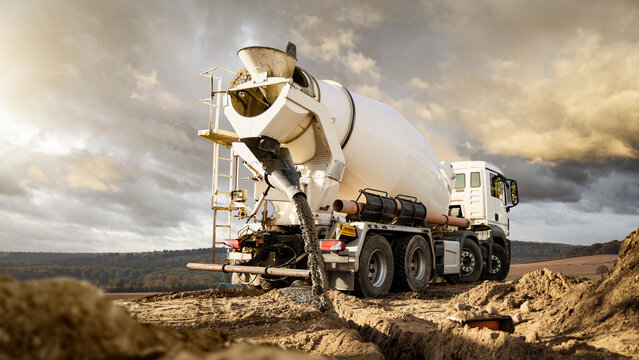
Providing good material is only half the job of getting a construction project to a successful end that lasts. Compaction is in fact a second key element to the successful performance of Bank sand delivery after placement and use in a project, if applied correctly.
But knowing this relationship is important for contractors and property owners to understand that if the compaction technique doesn't match, then all the best material may not perform as desired.
Avoiding the conversion of unstable particles to stable ones.
Loose (uncompacted) sand has air pockets and varying density which over time can cause it to settle as the sand is compacted by weight and environmental conditions. These air pockets are addressed at the outset with proper compaction, thus improving the consistency and predictability of the density of the fill area.
Typical advantages of good compaction are:
- Improved chances of future stabilization or surface lowering
- Increased load-bearing capacity of structures or surfaces on top
- Improved resistance to water infiltration and erosion
- Better uniformity of the performance throughout the whole fill area
The effect of layering on the quality of compaction.
It is often difficult to obtain uniform compaction over the entire thickness of bank sand when trying to compact it all in one pass because compaction equipment will only have a maximum thickness of material that it will effectively compact per pass. That is why it is recommended that crews with experience work in thinner layers rather than trying to go into a large depth in one pass.
A common layering scheme is as follows:
- Add a small layer of bank sand (several inches thick)
- Tighten this layer down well before layering more over it.
- Repeat the process, building up to the required final depth
- Confirm final compaction to meet project requirements, as necessary
Why is the moisture content important to the compaction results?
Bank sand will have varying properties based on the moisture content at compaction. If the material is very dry, it will not compact effectively and, if wet, compaction may prove more difficult and may even cause instability rather than stability during compaction.
With experienced crews, moisture conditions are generally monitored and can be modified based on the moisture content of the material, allowing the crew to achieve moisture conditions that fall within a workable range, one that will allow the material to be compacted effectively, even as moisture conditions vary; rather, moisture conditions that will hinder compaction are avoided.
What equipment can be used to make good compaction?
For different sizes of projects, different compaction equipment can be used from hand operated plate compactor for smaller residential projects to larger ride on rollers for larger commercial grading projects. When choosing equipment, care must be taken so that the equipment being selected is suitable for the scale of the project, in order to be sure that compaction was actually providing the desired compaction density over the fill area.
How To Recognize Inadequate Compaction
Sometimes, the symptoms of inadequate compaction are very evident shortly after placement, but other problems may only be noticeable after a longer period of time as the material settles during normal use. Some signs to look out for are:
- Surface depressions that can be seen over time.
- Not even filling of the various sections of the fill.Non-uniform filling of the various sections of the fill.
- Water puddling in places which should be draining water.
- Swelling when pressure is applied to them (as when walking on them)
Final Thoughts
The quality of materials isn't enough to ensure success of an installation, if the compaction of the material is not done properly. Knowing that the proper use of layering, moisture and the right equipment also play a role in creating an effective bank sand helps insure that the bank sand delivered will work as intended throughout the bank's lifespan, not because of its material quality, but because of how it was installed.
Comments on “How Does Proper Compaction Technique Affect The Performance Of Delivered Bank Sand?”